
Crafting Stories of Resilience: Theatre's Role in Community Building


The Transformative Power of Theatre
Theatre has long been a powerful medium for storytelling, capable of transporting audiences to different worlds and perspectives. Beyond entertainment, theatre plays a crucial role in community building by crafting stories of resilience that resonate with diverse audiences. It serves as a mirror to society, reflecting both its challenges and triumphs, and fostering a sense of unity and understanding.
Through the portrayal of real and fictional narratives, theatre allows communities to explore themes of adversity and perseverance. These stories often highlight the strength of the human spirit, inspiring audiences to reflect on their own experiences and the collective challenges they face. By sharing stories of resilience, theatre can encourage dialogue and promote healing within communities.

Engaging Communities Through Storytelling
Theatre brings people together, providing a shared space for dialogue and expression. Community-based theatre projects often focus on local issues and stories, engaging residents in the creative process. This participatory approach empowers individuals to express their experiences and perspectives, fostering a sense of belonging and ownership.
By involving community members in the creation and performance of plays, theatre becomes a tool for social change. It can address pressing issues such as inequality, discrimination, and environmental challenges, encouraging audiences to consider different viewpoints and think critically about their own roles in society.
Benefits of Community Theatre
- Empowerment: Participants gain confidence and a voice to share their stories.
- Connection: Strengthens bonds among community members, building empathy and understanding.
- Awareness: Highlights local issues and inspires action for positive change.

Educational Impact of Theatre
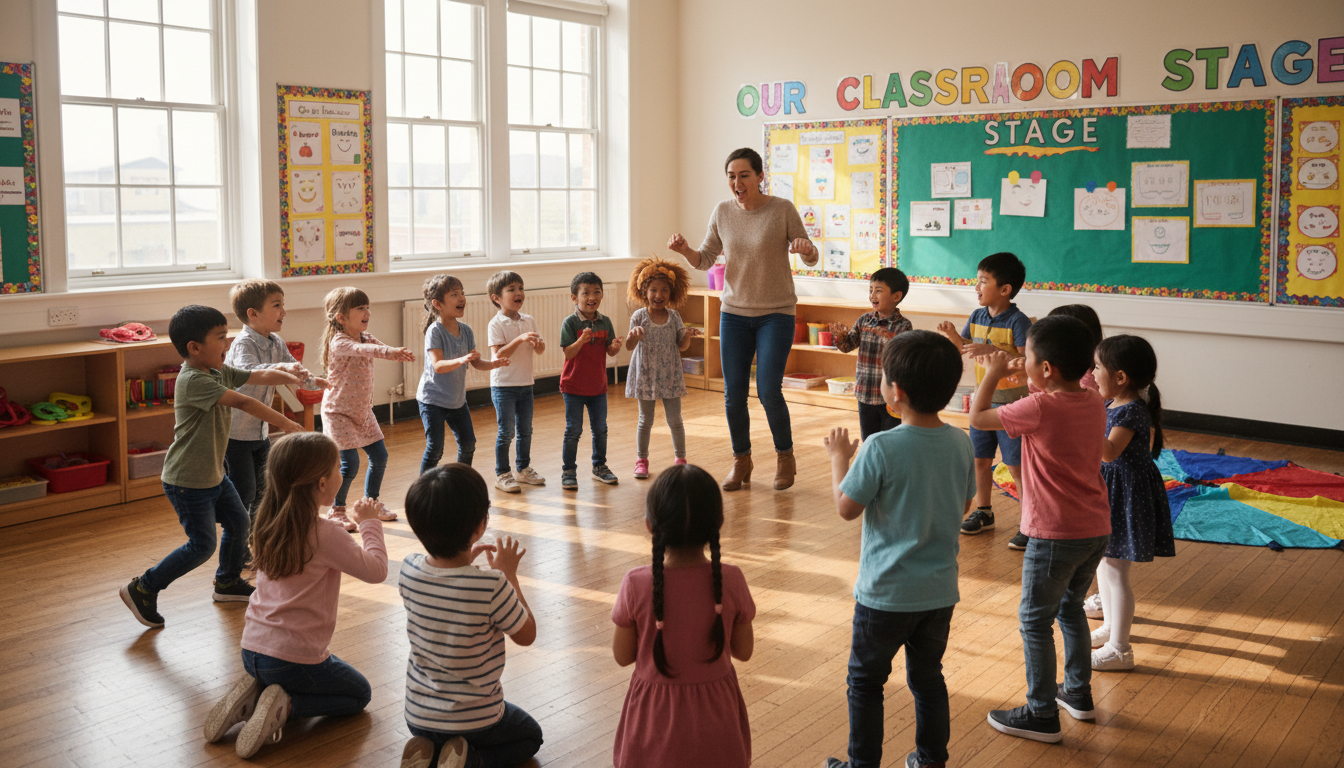
Theatre also plays a significant role in education, offering a dynamic and interactive way to learn about history, culture, and social issues. Schools and educational institutions often partner with theatre companies to create performances that complement academic curricula, bringing subjects to life in an engaging and memorable way.
Through theatre, students can explore complex topics, develop critical thinking skills, and enhance their emotional intelligence. By stepping into the shoes of diverse characters, they gain a deeper understanding of different cultures and perspectives, fostering tolerance and appreciation for diversity.
Integrating Theatre in Education
- Develop interactive workshops that align with classroom topics.
- Encourage student participation in performance and production roles.
- Use theatre as a platform for discussing contemporary social issues.
A Catalyst for Social Change
Theatre's impact extends beyond the stage, serving as a catalyst for social change. By addressing societal issues and showcasing stories of resilience, theatre can inspire communities to take action. It provides a platform for marginalized voices, offering them visibility and recognition.
Productions that tackle themes such as mental health, homelessness, and racial justice not only raise awareness but also drive conversations that can lead to policy changes and community initiatives. Theatre has the power to not only reflect the world as it is but also to imagine the world as it could be.
In conclusion, theatre is a vital component of community building, offering a space for storytelling, reflection, and transformation. By crafting stories of resilience, theatre fosters connections, educates, and inspires change, making it an indispensable tool for fostering stronger, more cohesive communities.